
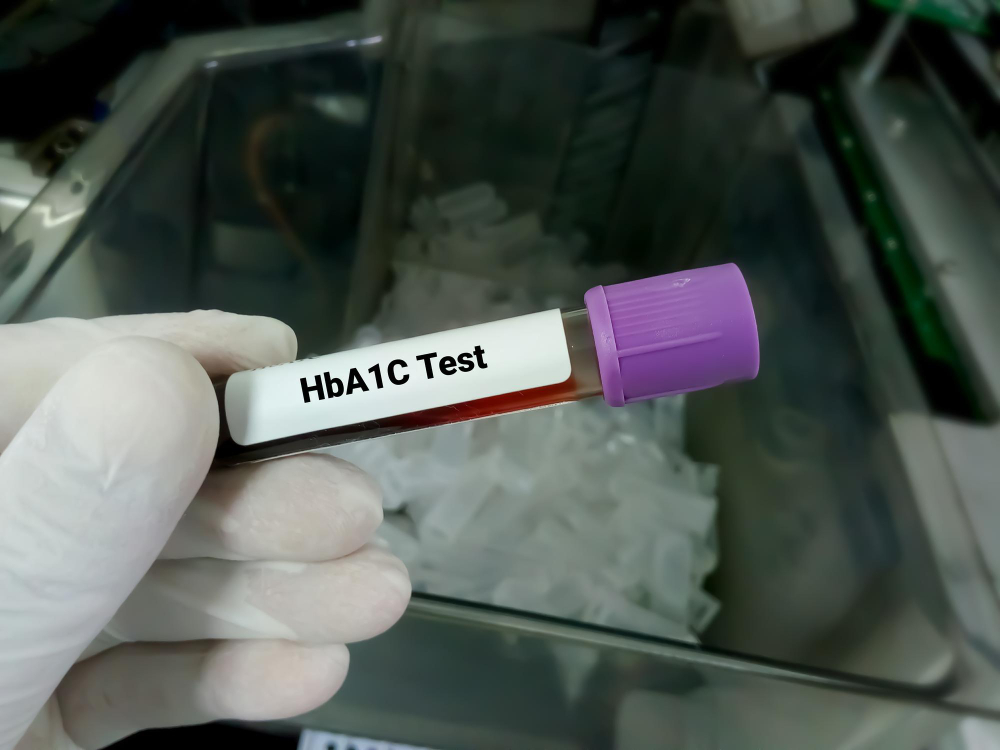
What is the Glycated Hemoglobin Test (HbA1C)?
The glycated hemoglobin test, also called the HbA1C test, measures your average blood sugar over the past three months. This test is important for people with diabetes and those at risk. In fact, the benefits of HbA1C test go beyond just tracking blood sugar. It helps doctors see how well your diabetes is managed. Unlike daily finger-prick tests, the HbA1C test gives a bigger picture of your health.
How Does the HbA1C Test Work?
When sugar enters your blood, it attaches to a protein in your red blood cells called hemoglobin. The HbA1C test checks how much sugar is stuck to this protein. Because red blood cells live for about three months, the test shows your average blood sugar during that time. As a result, you get a clear idea of your long-term blood sugar control.
Primary Benefits of the HbA1C Test
The glycated hemoglobin test offers many advantages. Here are some key benefits of HbA1C test:
Because the test is simple and quick, it is easy to repeat as needed. Moreover, it helps you and your doctor make better health choices.
Who Should Get the HbA1C Test?
Many people can benefit from this test. For example, if you have diabetes, your doctor will likely recommend it. People with risk factors for diabetes, such as being overweight or having a family history, should also consider it. In addition, adults over 45 or those with high blood pressure may need the test. Even if you feel healthy, the test can help catch problems early.
How Often Should You Take the HbA1C Test?
How often you need the test depends on your health. Usually, people with diabetes take the HbA1C test two to four times a year. If your blood sugar is stable, you may need it less often. However, if your doctor changes your treatment, you might need it more often. Always follow your doctor’s advice about testing.
How the HbA1C Test Helps in Diabetes Management and Prevention
The HbA1C test is a key tool for diabetes monitoring. It helps track how well your treatment is working. If your HbA1C level is high, your doctor may suggest changes to your diet, exercise, or medicine. On the other hand, a lower level means your plan is working. Early detection of high HbA1C can help prevent serious problems like heart disease, kidney issues, or nerve damage. Because of this, the test is important for both managing and preventing diabetes.
Tips for Preparing for the Test and Understanding Results
Unlike some blood tests, you do not need to fast before the HbA1C test. You can eat and drink as usual. However, let your doctor know about any health changes or new medicines. After the test, your doctor will explain your results. Here is what the numbers mean:
Remember, your doctor will help you understand what your result means for your health. If your level is high, do not worry. With the right steps, you can improve your numbers over time.
Conclusion: Take Charge of Your Health
In summary, the benefits of HbA1C test are clear. It helps you and your doctor manage your health and prevent problems. If you have questions or think you might need the test, consult a healthcare professional Ajay Somasamudram to learn if the HbA1C test is right for you.